The Global Environment Facility (GEF) has approved a major environmental and mining reform project aimed at significantly reducing mercury pollution from artisanal and small-scale gold mining (ASGM) in Liberia. The project, developed by Liberia’s Environmental Protection Agency (EPA) with support from the African Development Bank Group, will receive $7.67 million in GEF financing, alongside $24.57 …
GEF approves US$32m project to cut mercury pollution in Liberia’s gold mining sector
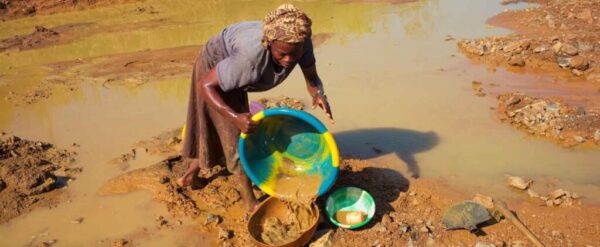
The Global Environment Facility (GEF) has approved a major environmental and mining reform project aimed at significantly reducing mercury pollution from artisanal and small-scale gold mining (ASGM) in Liberia.
The project, developed by Liberia’s Environmental Protection Agency (EPA) with support from the African Development Bank Group, will receive $7.67 million in GEF financing, alongside $24.57 million in indicative co-financing from the Bank Group.
The initiative is designed to promote a safer, cleaner, and more sustainable gold mining sector while improving livelihoods and environmental protection.
The approval formally brings Liberia into the planetGOLD programme, a global initiative supported by the GEF that has helped more than 20 countries reduce mercury use in gold mining while strengthening environmental health and economic outcomes. The programme focuses on policy and regulatory reforms, financial inclusion for miners, the adoption of mercury-free technologies, and partnerships across government, communities, and the private sector.
The project also builds on the African Development Bank’s Institutional Support for Enhanced Domestic Revenue Mobilization and Reform Implementation Project, which aims to improve governance, transparency, and regulatory oversight in Liberia’s mining sector.
Anthony Nyong, Director for Climate Change and Green Growth at the African Development Bank Group, described the initiative as a model of development integration, noting that institutional reforms are now being scaled into a broader environmental and socio-economic transformation.
GEF CEO and Chairperson Carlos Manuel Rodríguez said the project marks an important milestone in global efforts to tackle mercury pollution, adding that Liberia’s approach combines policy reform, technology deployment, and community engagement to advance sustainable mining.
Liberia’s EPA Executive Director, Dr. Emmanuel K. Urey Yarkpawolo, said the project will protect miners, preserve rivers and forests, and support economic growth while advancing Liberia’s climate commitments under NDC 3.0.
Mercury contamination from gold mining remains a serious public health and environmental concern in Liberia, affecting water bodies, soils, and ecosystems. The largely informal nature of artisanal mining has also contributed to deforestation, biodiversity loss, and limited access to formal markets and sustainable practices.
Over a five-year period, the project is expected to reduce mercury use by 50 metric tons, restore 10,000 hectares of degraded land, and avoid 148,000 metric tons of carbon dioxide emissions. It will also improve working conditions and livelihoods for 20,000 people, including 12,000 women.
Through formalisation, access to finance, clean technologies, and community engagement, the initiative will support Liberia’s obligations under the Minamata Convention on Mercury and contribute to broader Sustainable Development Goals related to climate action, health, biodiversity, and decent work.
As part of the planetGOLD+ initiative, Liberia will also benefit from regional and global collaboration, peer learning, and access to proven best practices from other GEF-supported countries, strengthening efforts to eliminate mercury from gold supply chains and promote inclusive, sustainable economic development.