Dr. Theophilus Acheampong, Technical Adviser at Ghana’s Ministry of Finance, has urged African countries to convert the growing geopolitical competition for critical minerals into strategic leverage for infrastructure, industrialisation and long-term value creation. Speaking during a panel discussion on who stands to benefit from the geopolitical scramble for Africa’s critical minerals, Dr. Acheampong said African …
Acheampong: Africa Must Turn Critical Minerals Scramble into Strategic Advantage
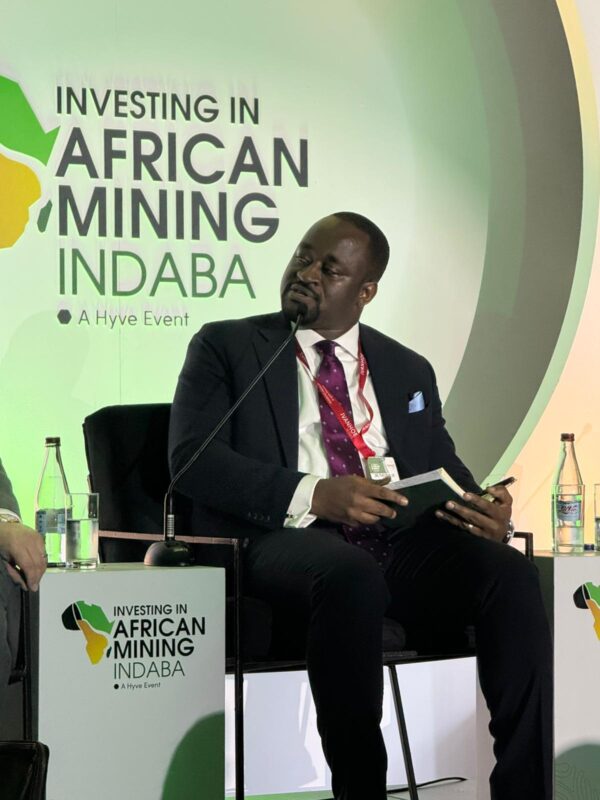
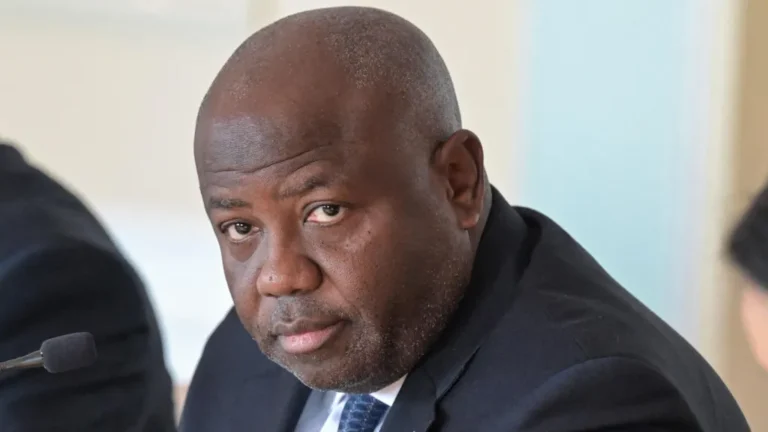
Dr. Theophilus Acheampong, Technical Adviser at Ghana’s Ministry of Finance, has urged African countries to convert the growing geopolitical competition for critical minerals into strategic leverage for infrastructure, industrialisation and long-term value creation.
Speaking during a panel discussion on who stands to benefit from the geopolitical scramble for Africa’s critical minerals, Dr. Acheampong said African governments must move beyond signing memoranda of understanding and instead use competing interest from the EU, US, Gulf states, China and other partners to secure capital for infrastructure co-financing, as well as technology and skills transfer.
He noted that some countries and regional blocs are already leveraging momentum for deeper cooperation through joint ventures, shared infrastructure and integrated value chains aimed at collective industrialisation.
Dr. Acheampong cautioned governments against equating export bans with industrial policy, stressing that restrictions alone do not guarantee value addition without reliable power, logistics, skilled labour and access to investable markets. In many cases, he said, such measures merely redirect trade flows or delay investment.
He also called for more active Pan-African sovereign wealth funds to support regional infrastructure and supply chains, and urged governments to be strategic in selecting priority mineral corridors and anchor projects. According to him, countries must clearly define where they can compete effectively and align permitting, power, logistics and skills development behind a limited number of well-chosen initiatives, while benchmarking against peers.
Dr. Acheampong also moderated a closed-door roundtable organised by the Critical Minerals Africa Group and Sustainable Energy for All (SEforALL) on energy as an infrastructure enabler for powering minerals value chains.
Discussions highlighted energy and transport logistics as key constraints to beneficiation and value addition, with reliability, cost and speed-to-power identified as critical to competitiveness.
Participants agreed that renewable energy can support mining and mineral processing while fostering domestic clean technology industries, provided it is backed by bankable power purchase agreements, clear regulatory frameworks, grid planning and credible delivery models.
The roundtable further underscored the importance of shared-use infrastructure and blended finance involving public, private and development finance institutions to unlock large-scale generation and transmission projects capable of serving mines and broader industrial corridors.