Ghana's Energy Commission has commenced a two-day board meeting in Ho to review the Draft Electric Vehicle (EV) Charging Infrastructure and Battery Swap Systems Regulation. The meeting marks a significant step in Ghana’s efforts to establish the necessary legal and regulatory framework for the growing EV sector. Participants include the Board Chairman, Board Members, the …
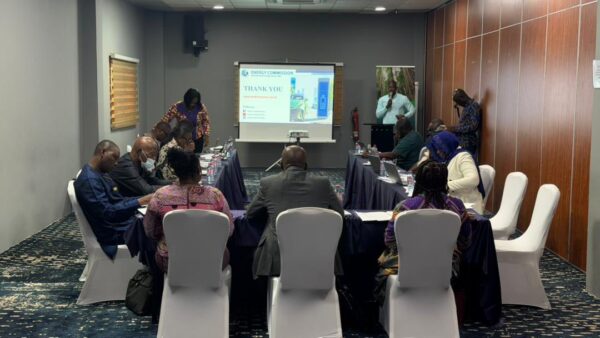
Ghana’s Energy Commission has commenced a two-day board meeting in Ho to review the Draft Electric Vehicle (EV) Charging Infrastructure and Battery Swap Systems Regulation.
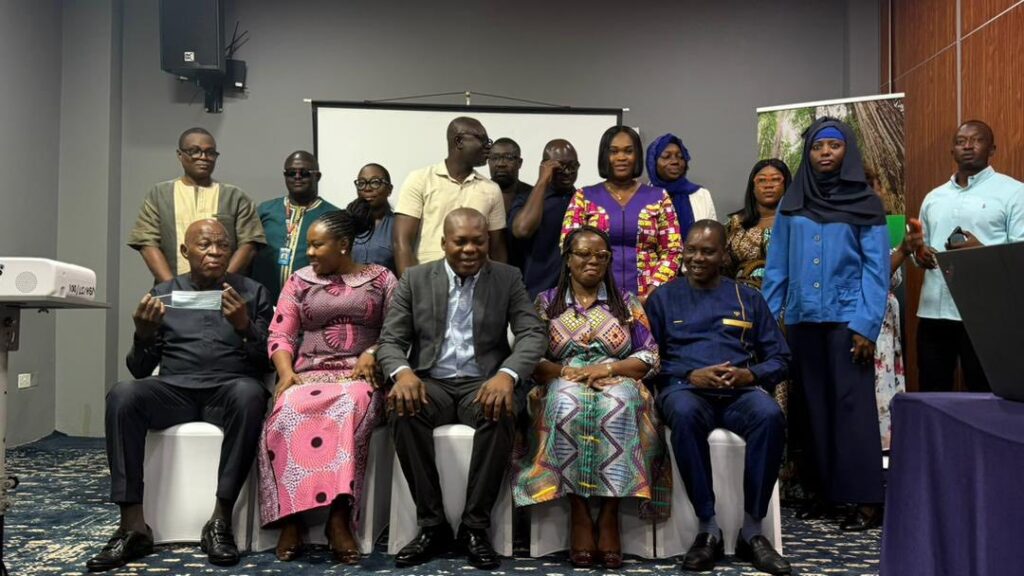
The meeting marks a significant step in Ghana’s efforts to establish the necessary legal and regulatory framework for the growing EV sector. Participants include the Board Chairman, Board Members, the Deputy Executive Secretary, a consultant, staff of the Energy Commission, and members of the press.
Board Chairman, Professor John Gatsi, stated that the proposed regulations will provide the Commission with the legal mandate to regulate the EV charging infrastructure and battery swap systems value chain.
Once passed, the draft regulation will empower the Energy Commission to regulate and license all EV charging infrastructure and battery swap systems manufacturing, assembly, importation, installation, and operation in Ghana.
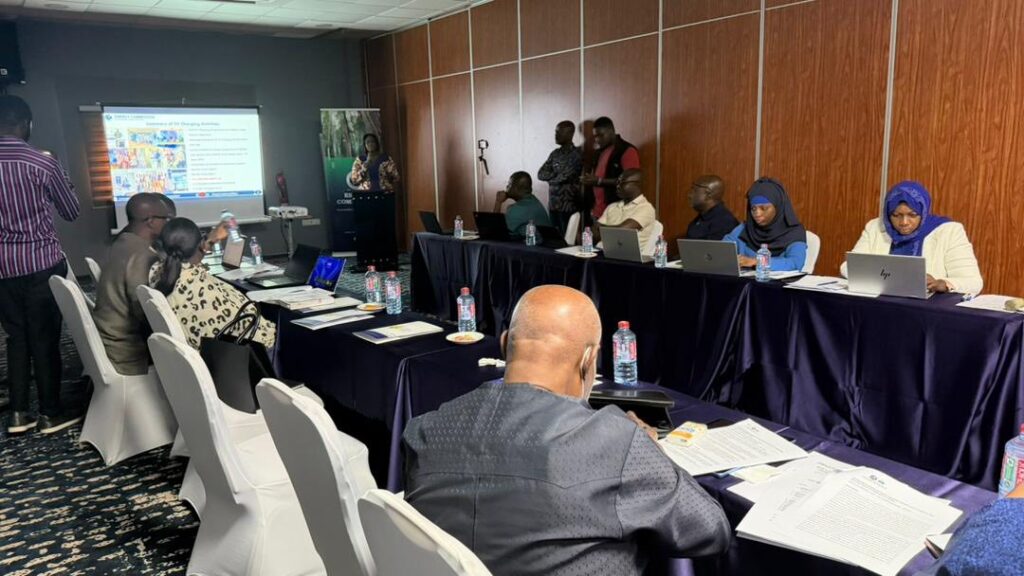
Professor Gatsi outlined four key areas covered by the regulation: residential charging stations, workplace charging stations, public and commercial charging stations, and safety requirements for charging stations and battery swap systems.
Mr. Kennedy Amankwah, Deputy Director of Energy Efficiency Regulation, welcomed participants and underscored the importance of transparency and public awareness in shaping Ghana’s EV regulatory framework.
He noted that the Energy Commission is the official body responsible for regulating EV charging stations in Ghana, adding that the Commission, together with the Ghana Standards Authority (GSA), has developed and published GSA-approved EV charging infrastructure, vehicle, and battery standards.
Ms. Joyce Caitlyn Ocansey, Coordinator of the Drive Electric Programme, reaffirmed the Commission’s commitment to ensuring that Ghana’s EV infrastructure and battery swap systems are sustainable and safe.
She stated that the regulation would help prevent Ghana from becoming a dumping ground for outdated internal combustion engine (ICE) vehicles phased out in the European Union and other countries, while promoting green and sustainable technology to help the country meet its climate targets.
She added that stakeholder sensitisation and awareness campaigns have been conducted in selected regional capitals to ensure broad participation. Once approved by Parliament, the regulation will serve as a key step in building a safe and well-organised EV charging system under the Energy Commission’s oversight.