Gold grabbed the spotlight in 2025 as rising global trade tensions and accelerated central bank buying propelled the metal by more than 60%. Its rise continued into 2026, with prices reaching an all-time peak of nearly $5,600 an ounce in January. Since then, bullion has fallen hard amid a market-wide liquidity stress and rising expectations …

Gold grabbed the spotlight in 2025 as rising global trade tensions and accelerated central bank buying propelled the metal by more than 60%. Its rise continued into 2026, with prices reaching an all-time peak of nearly $5,600 an ounce in January.
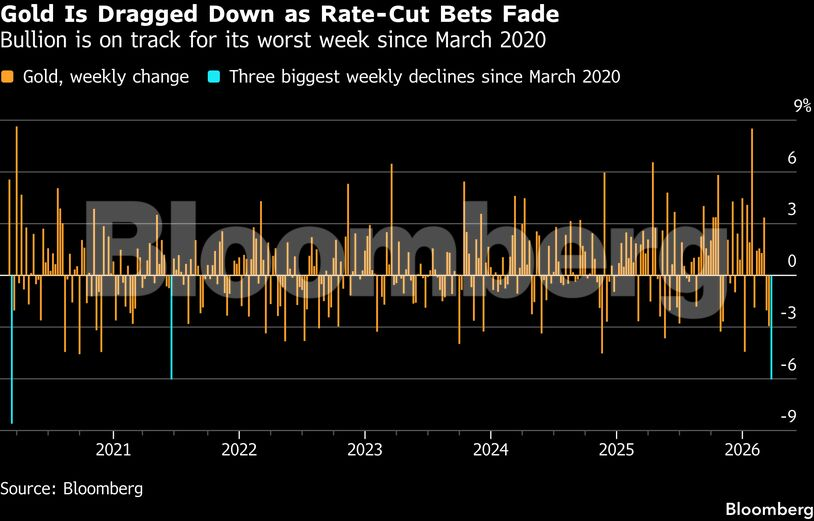
Since then, bullion has fallen hard amid a market-wide liquidity stress and rising expectations of high interest rates, which were exacerbated by the war in the Middle East.
Since the start of March, gold fell as much as 15%, nearly erasing all of its gains on the year. Gold mining equities, too, fell victim to the rout, with many of the market leaders suffering losses of 20% to 40%.
Nevertheless, long run view on the metal remains intact, given that central banks have been building up their gold holdings.
Gold’s bullish outlook is also attributed to the rise in private sector demand. According to the World Gold Council, the sector has seen heightened investment activity, resulting in annual gold demand exceeding 5,000 tonnes (approximately 146 million oz.) for the first time.
Also peaking last year was gold supply, which grew 1% to reach the 5,000-tonne mark as well, WGC’s data shows. Mine production — the major component of the supply — saw a modest rise to 3,672 tonnes (107 million oz.), breaking the record last seen in 2018.
Below, we detail how each of the world’s biggest gold mining operations fared during this record year of production, measured in kilo ounces (koz):
Mining.com