The Minerals Commission has pledged to work with the Environmental Protection Authority (EPA) to establish safeguards and monitoring arrangements to ensure that the planned nationwide river desilting exercise is conducted transparently and solely for environmental restoration. Chief Executive Officer of the Minerals Commission, Isaac Tandoh, gave the assurance during discussions with an EPA delegation led …
The Minerals Commission has pledged to work with the Environmental Protection Authority (EPA) to establish safeguards and monitoring arrangements to ensure that the planned nationwide river desilting exercise is conducted transparently and solely for environmental restoration.
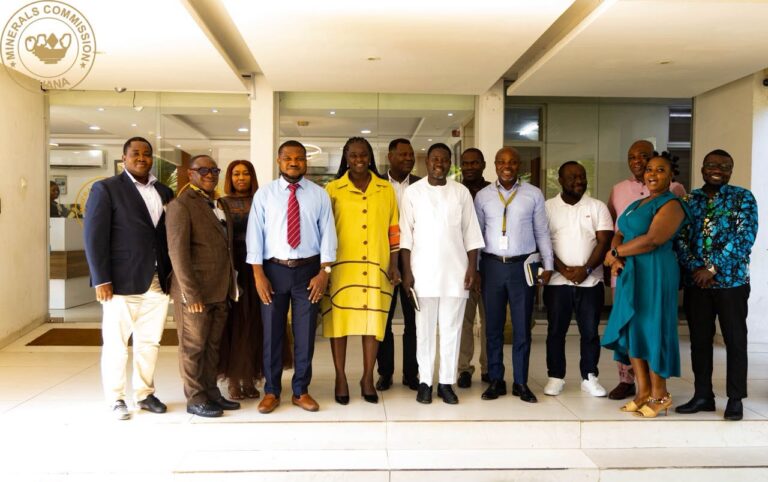
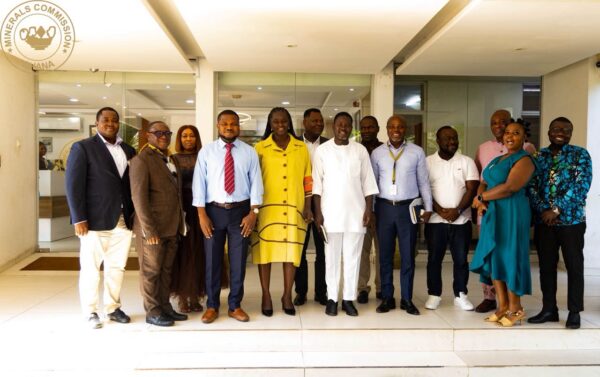
Chief Executive Officer of the Minerals Commission, Isaac Tandoh, gave the assurance during discussions with an EPA delegation led by its Chief Executive Officer, Prof. Nana Ama Browne Klutse, on the Authority’s proposed clean-up and ecological restoration programme.
The EPA is planning to clean and desilt selected polluted rivers across the country to remove accumulated silt, sediments, mining-related debris and other pollutants that have obstructed river channels and degraded water quality.
Mr Tandoh said the Minerals Commission was ready to collaborate with the EPA on the operational framework, safeguards and monitoring arrangements for the exercise.
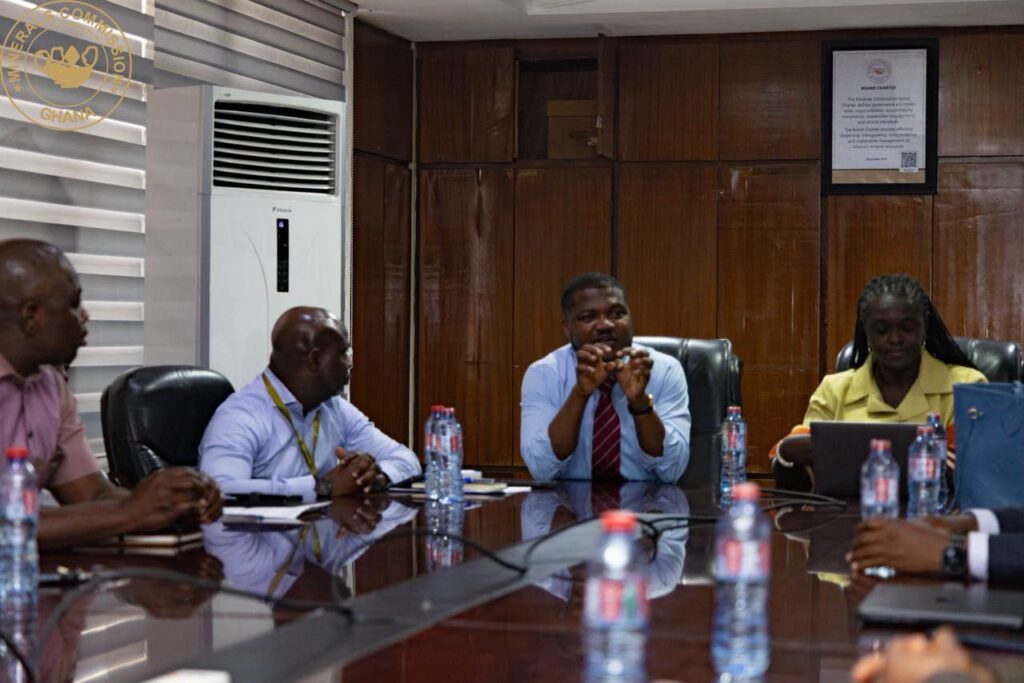
He stressed the need to ensure that the programme is implemented transparently and remains focused on restoring Ghana’s degraded water bodies.
The engagement also addressed the management of sand and other mineral-bearing materials that may be encountered during the desilting process.
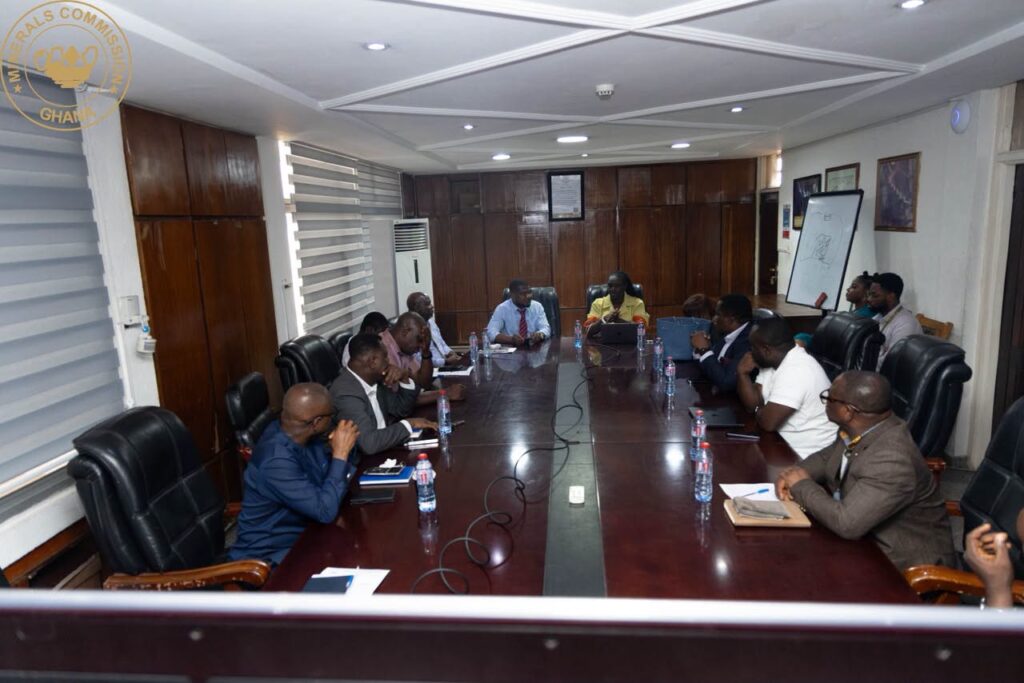
The EPA said the exercise is not intended to constitute commercial mining, adding that any mineral-bearing material or recoverable substance encountered during the clean-up would be managed in accordance with existing laws, regulations and directives of the Minerals Commission.
Prof. Klutse said the restoration programme is intended to improve the flow capacity of affected rivers, restore ecological integrity and rehabilitate water bodies degraded by illegal mining and other human activities.
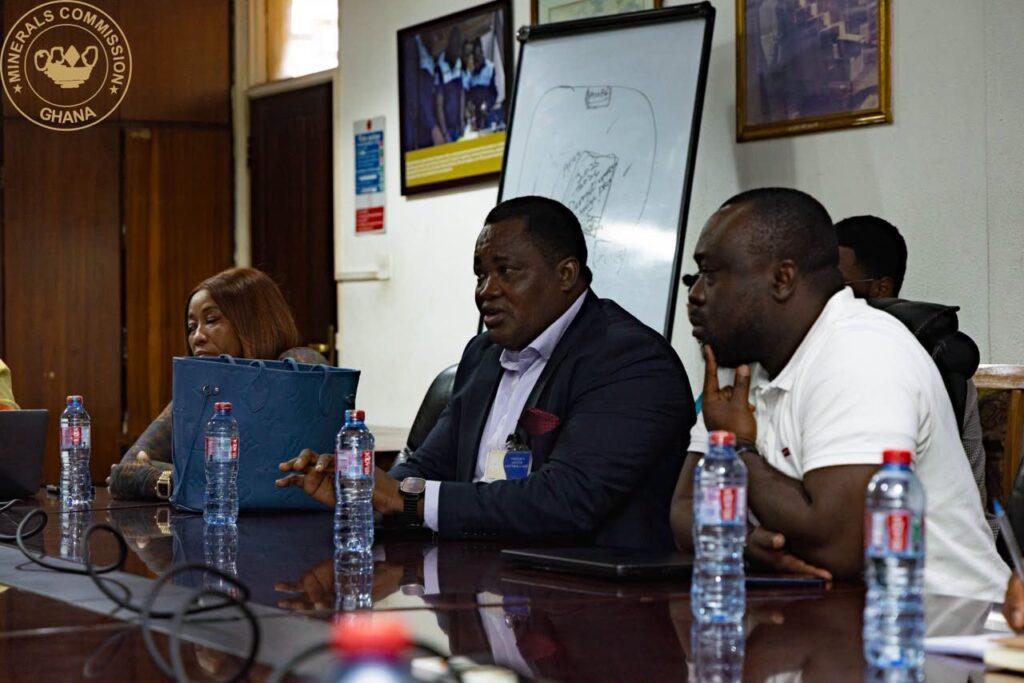
Mr Tandoh said the collaboration between the two institutions would contribute to efforts to safeguard Ghana’s natural resources and restore polluted water bodies for future generations.
The Minerals Commission and EPA subsequently reaffirmed their commitment to working together to strengthen environmental stewardship and support the restoration of Ghana’s water bodies.