Government has intensified its nationwide registration exercise for small-scale and artisanal miners, with ongoing operations in the Western and Western North Regions, as part of a broader strategy to formalise and regulate the sector. The initiative aims to organise miners into legally recognised cooperatives, ensuring compliance with regulatory frameworks and alignment with Ghana’s mining laws. …
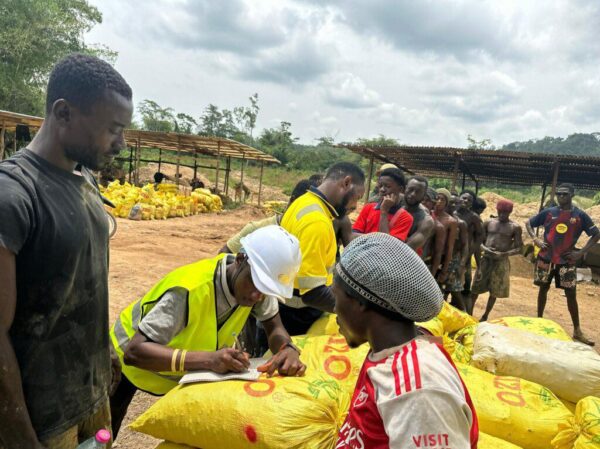
Government has intensified its nationwide registration exercise for small-scale and artisanal miners, with ongoing operations in the Western and Western North Regions, as part of a broader strategy to formalise and regulate the sector.
The initiative aims to organise miners into legally recognised cooperatives, ensuring compliance with regulatory frameworks and alignment with Ghana’s mining laws. The initiative is expected to enhance oversight, promote responsible mining practices, and strengthen the sector’s contribution to local economic development.
Registered individuals will be grouped into cooperatives of no fewer than 10 members and assigned to designated viable mining sites.
A key component of the programme is the scientific selection of these sites. Proposed concessions will undergo thorough geological evaluations to determine mineral potential and economic viability, ensuring that cooperatives operate on productive and sustainable grounds.
In a earlier statement, rCOMSDEP indicated that the exercise will follow a structured four-phase workflow designed to ensure efficiency and regulatory compliance.
The first phase involves field teams capturing detailed information on cooperative members, including national identification and contact details. This will be followed by technical assessments, where experts conduct geological validation, terrain stability checks, and environmental risk screening. These assessments will examine critical factors such as water usage, tailings management, and ore processing methods.

Cooperatives that meet the required criteria will then be issued a six-month Temporary Operating Permit, allowing them to begin operations under close supervision while working toward full licensing.
In the final phase, all documentation will be reviewed by rCOMSDEP in collaboration with the Minerals Commission before advancing to the next stage of regulatory approval.
The exercise will also enable key state institutions—including the Minerals Commission, the Environmental Protection Agency (EPA), and the Ghana Geological Survey Authority—to undertake the necessary field inspections and technical assessments required for the issuance of environmental permits and mining licences.
The programme is a critical step toward sanitising the small-scale mining sector, curbing illegal operations, and ensuring safer, more environmentally sustainable mining practices.
All eligible small-scale and artisanal miners nationwide are being encouraged to participate fully in the exercise to help build a more structured, compliant, and sustainable mining industry.