Precious metal prices and shares in defence stocks have risen after the US capture of Venezuelan President Nicolás Maduro increased investors' concerns about geopolitical risks. Gold was about 2.4% higher at $4,433 (£3,293) an ounce, while the price of silver was up by 4.9%, as money was moved into so-called "safe-haven" assets. Defence stocks across …
Gold price rises after US captures Venezuela’s Maduro
Precious metal prices and shares in defence stocks have risen after the US capture of Venezuelan President Nicolás Maduro increased investors’ concerns about geopolitical risks.
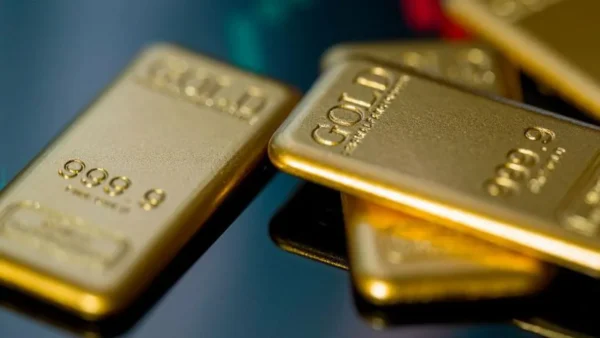
Gold was about 2.4% higher at $4,433 (£3,293) an ounce, while the price of silver was up by 4.9%, as money was moved into so-called “safe-haven” assets.
Defence stocks across Europe also rose in reaction to the weekend’s events in anticipation of higher spending on the military.
However, the price of oil fell, as analysts said ample global supplies would offset any impact on Venezuelan crude.
Prices of precious metals such as gold and silver often rise in times of uncertainty as they are seen as safer assets to hold.
The gold price saw its best annual performance last year since 1979 after rising by more than 60%, reaching an all-time high of $4,549.71 on 26 December.
Those gains were driven by several factors including expectations of more interest rate cuts, major purchases of bullion by central banks and investor concerns about global tensions and economic uncertainty.
Oil fluctuated in early trade on Monday before slipping back as investors weighed whether Washington’s intervention in Venezuela would affect crude supplies. Brent crude was down 50 cents, or 0.8%, to $60.26 a barrel.
US President Donald Trump has vowed to tap into Venezuela’s vast oil reserves after seizing Maduro and said that the US will “run the country until such time as we can do a safe, proper and judicious transition”.
But industry analysts have said the move is unlikely to have an immediate impact on how much people and businesses pay for energy.
Experts have also said it would cost billions of dollars to fix Venezuela’s oil infrastructure, which has been in sharp decline since the early 2000s.
Venezuela’s crude production has been “lacklustre” for years and now only accounts for around 1% of global oil output, said investment strategist Vasu Menon from OCBC bank.
The former chief executive of BP, Lord Browne, told the BBC’s Today programme that for Venezuela to revive its oil production would take “a tremendous amount of skill investment and time”.
While there might be a “quick pick up” of some production, he added, output might actually fall while the industry is reorganising.
BBC