I have read several views asking why the state is not granting concessions to locals to begin exploration and go through the full process of developing and owning mines if local ownership is the goal. That is a legitimate and important question. Indeed, it is possible for the state to establish its own large-scale mining …
Kenneth Bansah writes: Who owns the mine when the lease expires?
I have read several views asking why the state is not granting concessions to locals to begin exploration and go through the full process of developing and owning mines if local ownership is the goal. That is a legitimate and important question.
Indeed, it is possible for the state to establish its own large-scale mining operations or grant concessions to local investors to participate from exploration and prefeasibility through development and eventual operation.
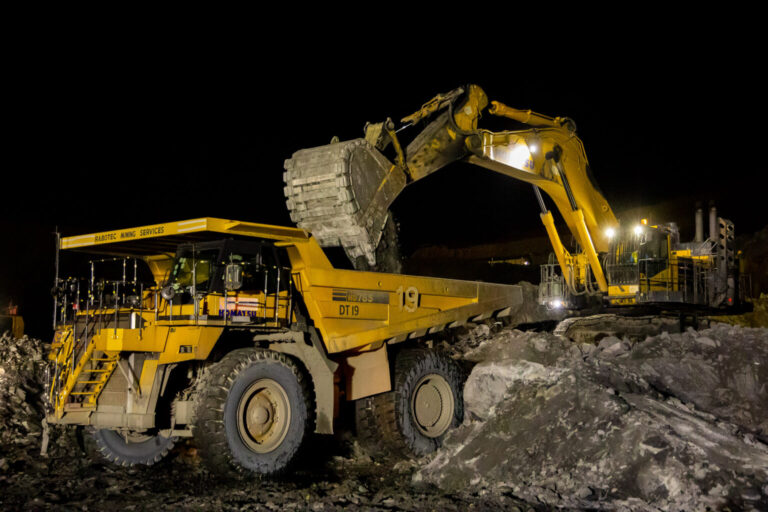
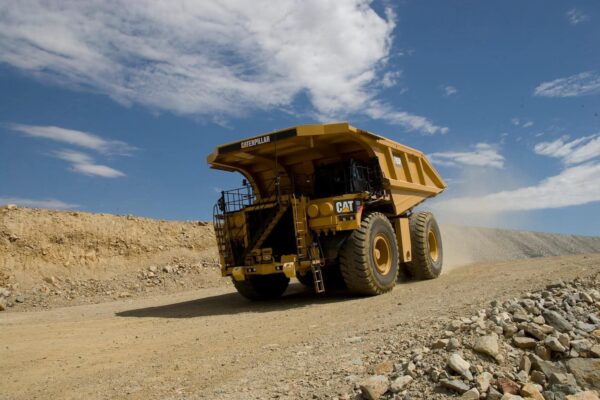
The state can directly develop its own mining projects. Depending on the size of the deposit and supporting infrastructure, an open pit mine may require several hundred million dollars in capital investment and can create significant direct and indirect employment opportunities.
To support such an effort, a trustee or special purpose vehicle could be established to mobilize capital through financial markets and strategic partnerships. Institutions such as GoldBod may be explored as potential financing or investment partners where their mandate and structure permit.
State participation in mining is possible. The main issues concern governance, technical capacity, financing, and long-term management. But these issues can be managed with the right structures and leadership.
The other side of the discussion, however, deserves careful attention. Some perceive conversations about transitioning ownership of existing mines as tantamount to a takeover. But clarity is important here. There are several circumstances under which ownership or control of mining assets can change.
Such circumstances may include when owners voluntarily sell to a new investor with state approval, when regulators revoke permits, licenses, or leases due to violations and later transfer mineral rights to another operator, or when a lease naturally expires and the state decides to transfer the mineral rights or associated assets to a new owner.
What we must understand is that mineral resources belong to the people and are deeply embedded within the sovereignty of the state. Pay attention to the word sovereignty. The state serves as custodian of these resources and is responsible for managing them in a manner that advances public benefit.
As we speak, it is this third circumstance, lease expiration, that sits at the center of the ongoing conversation. When a mining lease expires, the state is under no automatic obligation to renew it. The decision to renew, retain, or transfer mineral rights to a new operator, whether local or foreign, rests with the state.
For this reason, questions of sovereignty should not be confused with arguments about why the state or local investors are not beginning entirely new mining projects. They are related discussions, but they are not the same.
Every large-scale mining company understands that mineral rights acquisition and ownership come with regulatory and political risks. These risks are normally incorporated into prefeasibility studies, project valuation, and long-term business planning. A mine operating under a 20-year or 30-year lease understands that renewal may or may not occur and factors that possibility into its economic assessments. Renewal can be granted, denied, or accompanied by limited extensions depending on the circumstances.
The debate before us, therefore, should focus on the bigger or broader questions or issues. For example: How should Ghana manage its mineral sovereignty? What ownership models best retain value while sustaining investment? And how do we ensure that mining, whether state-led, locally owned, or foreign financed, delivers meaningful and lasting benefits to the people?
Kenneth Bansah, PhD, PE