The Ministry of Mines and Minerals Development says Zambia's mining sector recorded strong performance in the first half of 2026, with copper production increasing by 0.45 percent, reflecting renewed growth driven by government reforms and increased investment. Speaking during a press briefing in Lusaka on Friday, Permanent Secretary Dr. Hapenga M. Kabeta said aggregate copper …
Copper, gold and nickel output rise as Zambia’s mining reforms pay off
The Ministry of Mines and Minerals Development says Zambia’s mining sector recorded strong performance in the first half of 2026, with copper production increasing by 0.45 percent, reflecting renewed growth driven by government reforms and increased investment.
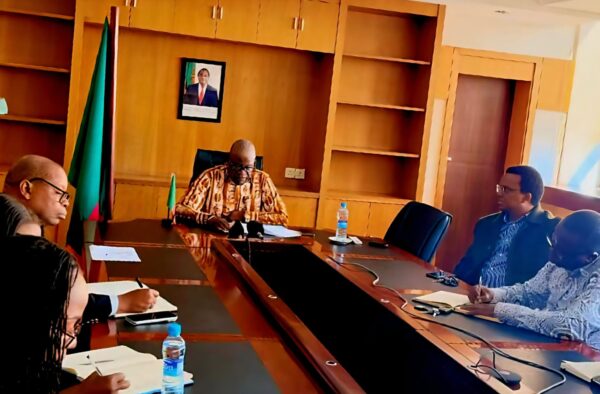
Speaking during a press briefing in Lusaka on Friday, Permanent Secretary Dr. Hapenga M. Kabeta said aggregate copper production increased from 445,175 metric tonnes recorded during the same period in 2025 to 447,181 metric tonnes in the first half of 2026.
“The mining sector continues to play a central role in our economic transformation agenda as a key driver towards Zambia’s Vision 2030 of becoming a prosperous middle-income economy,” Dr. Kabeta said.
He attributed the increase in copper production to improved output at Kansanshi, Konkola Copper Mines (KCM), Lumwana, Lubambe, Sentinel and Mufulira Copper Mines. However, Mopani Copper Mines and NFC Africa Mining recorded marginal declines due to planned maintenance and operational challenges.
Dr. Kabeta said gold production increased by 10.94 percent, cobalt output rose by 17.89 percent, nickel production surged by 143 percent, manganese production jumped by 287 percent, while coal production increased by 14.13 percent, driven by rising domestic and export demand.
“The contribution of gold to the country’s production statistics is expected to increase further because of the institutional and legal reforms government is implementing in the sector,” he said.
Despite the positive performance, the Permanent Secretary expressed concern over a 35.2 percent decline in small-scale copper production, attributing it to inadequate domestic supplies of sulphuric acid and the delayed end of the rainy season.
“We appeal to producers of sulphuric acid to prioritise the local market before exports because both Mopani and small-scale miners have been negatively affected by inadequate supplies,” he said.
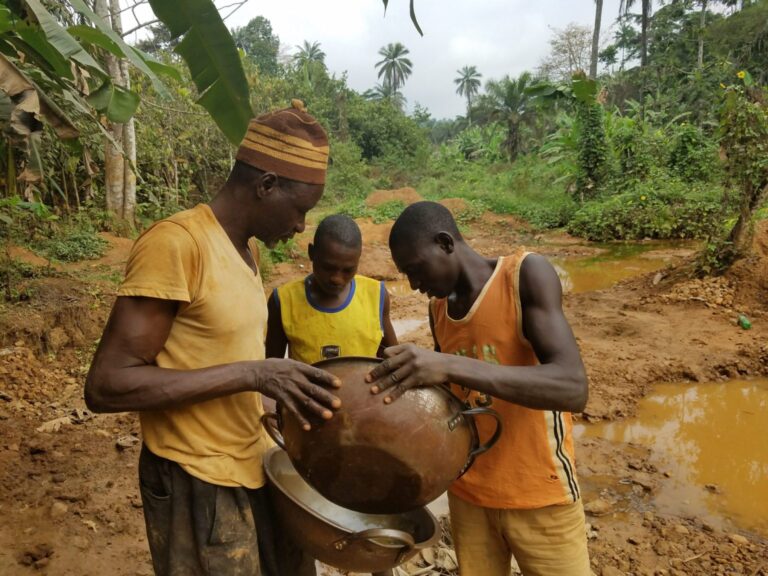
Dr. Kabeta also disclosed that the newly established Mineral Regulation Commission considered 818 mineral rights applications, approving 444, including 305 artisanal mining rights reserved for Zambian citizens. A further 316 applications were deferred, while 58 were rejected for failing to meet statutory requirements.
He said government has intensified efforts to formalise the artisanal and small-scale mining sector by training more than 600 mining cooperatives, strengthening safety standards and improving regulation, particularly in the gold mining subsector in Mufumbwe District.
The Permanent Secretary added that implementation of the Local Content Regulations, which came into effect on January 1, 2026, has gained momentum, with 76 mining companies already onboarded onto the electronic Local Content Access System to improve compliance and expand opportunities for Zambian suppliers.
“The progress recorded in the first half of 2026 was not accidental. It is the result of deliberate reforms, bold decisions and a shared vision to build a transparent, resilient and sustainable mining sector that benefits every Zambian,” Dr. Kabeta said.
He further announced that Zambia’s high-resolution airborne geophysical survey has reached 87.5 percent national coverage, with completion expected before the end of 2026.