Southern African countries have launched a regional project aimed at promoting environmentally and socially responsible value chains for energy transition minerals across the Southern African Development Community (SADC). Speaking at the launch in Lusaka, Zambia's Permanent Secretary for the Ministry of Mines and Minerals Development, Dr. Hapenga M. Kabeta, said the initiative comes at a …
SADC launches regional initiative for responsible energy transition minerals
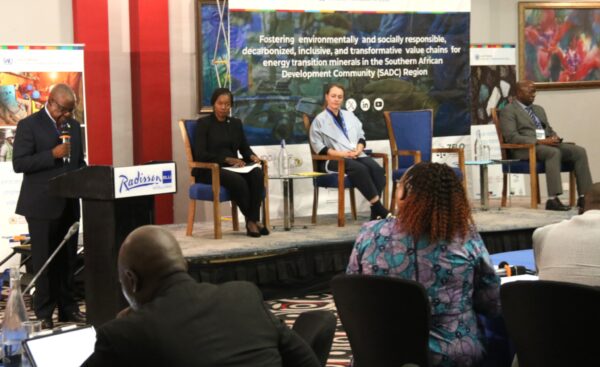
Southern African countries have launched a regional project aimed at promoting environmentally and socially responsible value chains for energy transition minerals across the Southern African Development Community (SADC).
Speaking at the launch in Lusaka, Zambia’s Permanent Secretary for the Ministry of Mines and Minerals Development, Dr. Hapenga M. Kabeta, said the initiative comes at a crucial time as global demand rises for critical minerals needed for the transition to cleaner energy systems, including copper, cobalt, lithium, nickel, manganese, and rare earth elements.
Dr. Kabeta noted that the SADC region is richly endowed with these minerals and has an opportunity to use its resource wealth to drive industrialization, create jobs, promote innovation, and improve livelihoods. He stressed the need for responsible mining practices, environmental stewardship, value addition, and stronger integration into regional and global value chains.
He also highlighted challenges facing the sector, including limited beneficiation, environmental and social governance gaps, and insufficient participation of women, youth, local communities, and persons with disabilities.
Economic Commission for Africa (ECA) Director for Southern Africa, Eunice Kamwendo, said growing demand for energy transition minerals presents a significant opportunity for African countries to boost industrialization, employment, and economic resilience.
The project, which runs from March 2026 to February 2031, is being implemented by the United Nations Economic Commission for Africa (ECA) and its partners with funding from the Government of Germany through the International Climate Initiative (IKI).