Africa recorded the sharpest increase in reported human rights abuse allegations linked to transition mineral mining in 2025, according to the Business & Human Rights Resource Centre's (BHRRC) Transition Minerals Tracker 2026, highlighting growing social and environmental pressures as global demand for critical minerals accelerates. The report found that 100 allegations of human rights abuses …
Africa sees 122% rise in human rights allegations linked to critical mineral mining
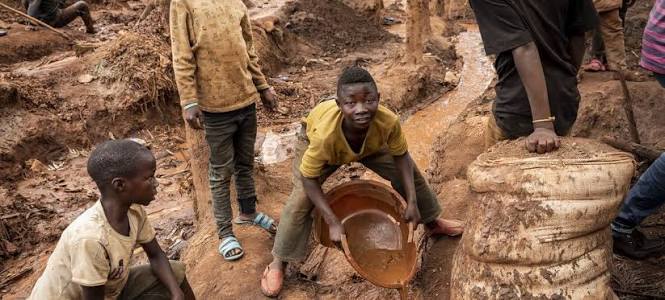
Africa recorded the sharpest increase in reported human rights abuse allegations linked to transition mineral mining in 2025, according to the Business & Human Rights Resource Centre’s (BHRRC) Transition Minerals Tracker 2026, highlighting growing social and environmental pressures as global demand for critical minerals accelerates.
The report found that 100 allegations of human rights abuses were recorded at transition mineral mining operations across Africa in 2025, representing a 122% increase from the previous year. The continent experienced the fastest growth in reported allegations among all regions covered by the Tracker.
The findings come as demand for minerals such as cobalt, copper, lithium, manganese, nickel, iron ore, bauxite, zinc and rare earth elements continues to rise, driven by the global shift toward renewable energy, electrification and the phase-out of fossil fuels. Increasing demand from the technology and defence sectors has also intensified competition for these resources.
The BHRRC said that while the expansion of renewable energy is essential to addressing climate change, the rapid growth of transition mineral mining is also creating increasing risks for Indigenous Peoples, workers and local communities living near mining operations.
According to the Tracker, 329 allegations of abuse were documented globally in 2025, compared with 156 in 2024. Of these, 270 allegations involved mines already monitored by the Tracker, representing a 73% year-on-year increase, while 59 additional allegations were recorded at 52 newly tracked mines.
Although South America continues to record the highest cumulative number of allegations between 2010 and 2025, Africa’s annual increase was the most pronounced in the latest reporting period.
The report also documented a rise in conflict surrounding mining operations. Across all regions in 2025, researchers recorded 61 protests, 10 strikes and 34 lawsuits linked to transition mineral mines. It said at least 173 cases of social conflict occurred during 2024 and 2025, accounting for more than one-third of all allegations recorded during the period.
In addition, 44 of the 329 allegations documented in 2025 resulted in lawsuits or regulatory action, while protests, labour actions and litigation contributed to 27 cases of mine suspensions, work slowdowns or closures, or attempts to secure such outcomes through legal proceedings.
The report found that attacks against human rights and environmental defenders also increased. A total of 42 attacks were recorded in 2025, representing an increase of more than 50% compared with attacks documented at the same mines in 2024.
Workers remained among the groups most affected. The Tracker recorded 92 allegations involving workers’ rights and workplace safety, accounting for 28% of all allegations reported globally in 2025. These included 22 reported work-related deaths, nearly double the number documented the previous year.
Indigenous Peoples were also disproportionately affected. Although they represent approximately 6% of the world’s population, 17% of all allegations recorded in 2025 related to violations of Indigenous rights, including 32 allegations involving failures to obtain Free, Prior and Informed Consent (FPIC) before mining activities.
The report further noted that women continued to face unique impacts from mining activities, with 39 allegations relating to gender-specific harms, including gender-based violence.
Despite the increase in reported abuses, the BHRRC found that corporate human rights commitments remain limited. Of the 155 mines associated with at least one allegation in 2025, only 87 mines, or 56%, were covered by a publicly available human rights policy.
The organisation warned that the continued expansion and consolidation of large mining companies, together with growing investment in transition minerals, increases the need for stronger human rights safeguards. It noted that smaller and privately owned mining companies often remain outside public scrutiny and accountability mechanisms.
The report argues that human rights abuses create risks not only for affected communities but also for businesses and investors by contributing to legal disputes, project delays, rising operational costs and reputational damage.
To support a just energy transition, the Business & Human Rights Resource Centre called on governments, mining companies, investors and renewable energy firms to strengthen human rights due diligence, promote fair negotiations with affected communities and ensure that the benefits of transition mineral development are shared more equitably.
According to the organisation, a rights-based approach to mining is essential for building reliable mineral supply chains capable of supporting the global transition to clean energy while protecting the rights of communities most directly affected by mining operations.