The reduction of allocations to the Minerals Income Investment Fund (MIIF) from 80% to 2% has sparked concern among policy experts, who warn that the move could significantly undermine the Fund’s capacity and long-term relevance in Ghana’s extractive sector. Speaking at a stakeholder engagement organised by the Natural Resource Governance Institute (NRGI) and the Centre …
Ghana: CEDA warns 2% MIIF funding cut threatens Fund’s relevance
The reduction of allocations to the Minerals Income Investment Fund (MIIF) from 80% to 2% has sparked concern among policy experts, who warn that the move could significantly undermine the Fund’s capacity and long-term relevance in Ghana’s extractive sector.
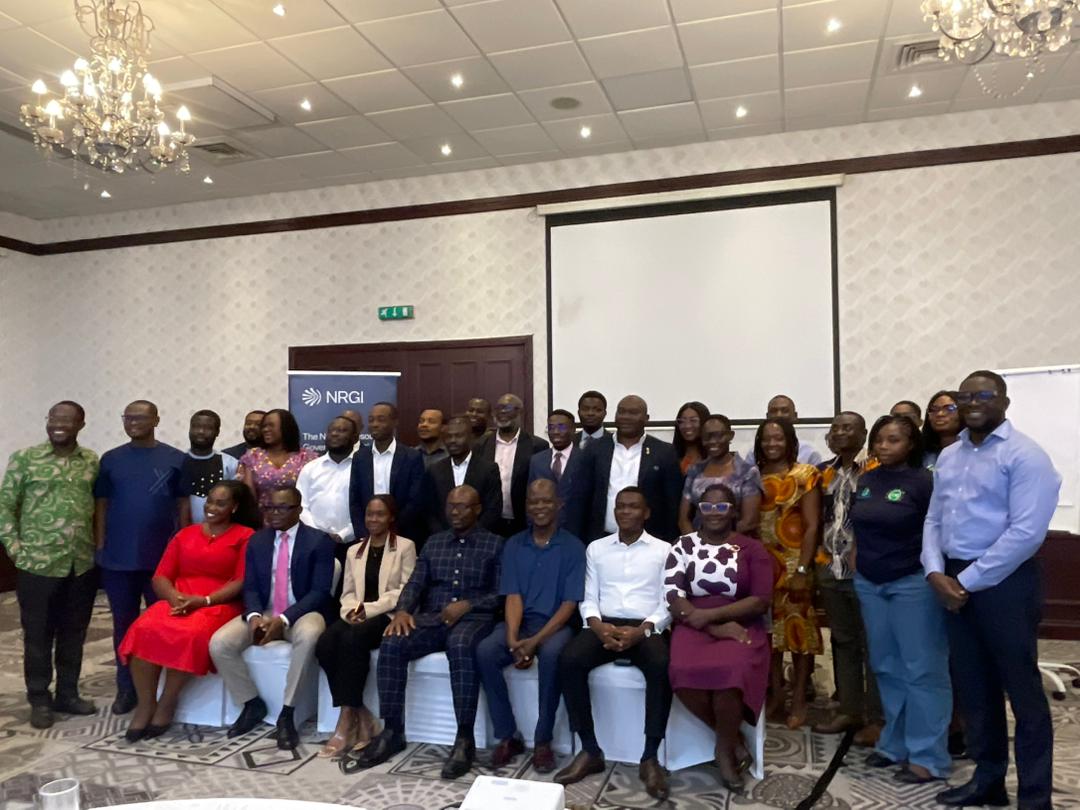
Speaking at a stakeholder engagement organised by the Natural Resource Governance Institute (NRGI) and the Centre for Extractives and Development Africa (CEDA) , the governance and disbursement of mineral royalties under Ghana’s Minerals Development Fund (MDF), Executive Director of CEDA on Tuesday (31 January), Samuel Osei Bekoe, questioned the rationale behind the sharp cut.
His presentation, which focused on understanding MIIF and recent amendments to its governing Act, highlighted that while the government has expanded the Fund’s mandate to include investments for “the best possible returns,” the provision remains too broad and lacks the specificity needed to guide strategic decision-making.
More critically, he noted that slashing MIIF’s allocation to just 2% raises fundamental questions about government’s policy direction and the future of the Fund.
“Reducing MIIF allocation to 2% essentially limits its capacity and raises questions about its relevance,” he emphasised, adding that if the Fund is to function as a strategic investment vehicle for the mining sector—similar to GNPC’s role in oil and gas—then it must be adequately resourced.
Mr. Bekoe explained that MIIF was established to address structural challenges in the extractive sector, including revenue volatility and pro-cyclical spending patterns, which often undermine sustainable development. He stressed that weakening the Fund could erode its ability to stabilise mineral revenues and secure long-term value for future generations, especially in the face of eventual resource depletion.
He further called for stronger governance reforms to insulate MIIF from political interference and enhance transparency and accountability. According to him, globally successful sovereign wealth funds—such as those in Norway, Chile, and Botswana—operate with a high degree of independence, clear fiscal rules, and robust reporting mechanisms that ensure public trust and effective management.
To strike a balance, Mr. Bekoe proposed a revised allocation model where a portion of mineral revenues—such as 20%—could be directed to MIIF, while the rest supports government development priorities like the “Big Push.” However, he stressed that any allocation must be backed by clear investment guidelines across risk levels to maximise returns.
Also speaking at the event, NRGI Country Manager Patrick Stephenson underscored broader challenges in the administration of mineral revenues, particularly under the Minerals Development Fund. He noted that delays and inefficiencies in revenue disbursement to mining communities continue to undermine trust and limit the impact of development projects.
According to him, the inability of revenue administrators to fully adhere to legal provisions has weakened confidence in the system and raised concerns about equitable resource management.
Mr. Stephenson further pointed to gaps in the governance framework of MIIF, noting that while recent reforms suggest the Fund could independently identify and invest in viable projects, questions remain about the credibility, transparency, and accountability of its governance architecture.
He stressed that improving transparency and accountability across institutions managing mineral revenues is critical to ensuring that sub-national allocations are effectively utilised for the benefit of Ghanaians.
The engagement brought together stakeholders to examine how Ghana can strengthen governance systems and optimise the use of mineral royalties to drive sustainable development.