The National Anti-Illegal Mining Operations Secretariat (NAIMOS) has identified funding constraints, institutional interference and disputes over mining permits and boundaries among challenges affecting its efforts to tackle illegal mining in Ghana’s forest reserves. The issues were raised by the Director of NAIMOS, Col. Kwame Appiah, during a high-level engagement with the Forestry Commission (FC) on …
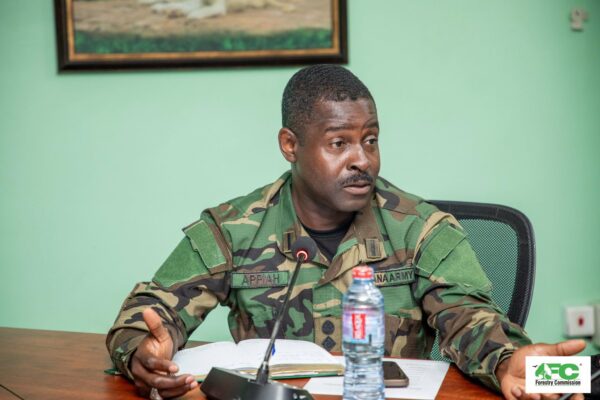
The National Anti-Illegal Mining Operations Secretariat (NAIMOS) has identified funding constraints, institutional interference and disputes over mining permits and boundaries among challenges affecting its efforts to tackle illegal mining in Ghana’s forest reserves.
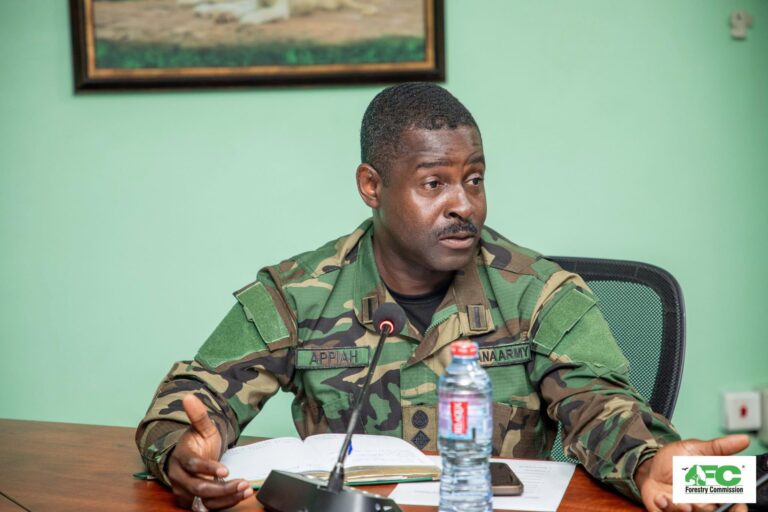
The issues were raised by the Director of NAIMOS, Col. Kwame Appiah, during a high-level engagement with the Forestry Commission (FC) on strengthening joint operations against illegal mining in forest reserves across the country.
Col. Appiah said NAIMOS also faces difficulties accessing drone teams for aerial footage and has limited access to environmental specialists needed to assess and survey areas affected by illegal mining.
He said the Secretariat works with other security agencies during enforcement operations, with measures including the destruction of heavy earth-moving equipment and other mining tools found at illegal mining sites, the arrest and handover of suspects to the police for prosecution, and requiring offenders to reclaim degraded areas.
According to Col. Appiah, perpetrators may also be required to sign undertakings not to return to illegal mining sites, while security personnel are deployed in some affected areas to prevent miners from returning.
He said NAIMOS engages traditional authorities, political leaders and community members before operations in affected areas. These engagements, he explained, provide illegal miners with an opportunity to leave the forest reserves and halt their activities before enforcement begins.

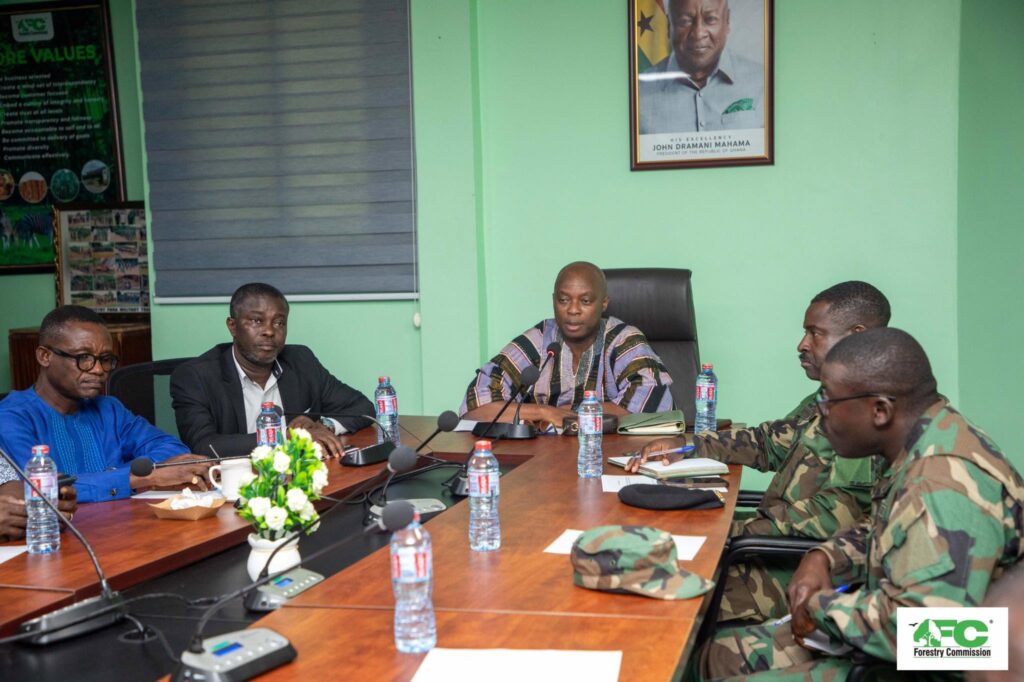
The engagement with the Forestry Commission, led by its Chief Executive, Dr Hugh Brown, was aimed at improving coordination between the two institutions, including developing rules of engagement and reporting procedures for operations in forest reserves.
The Forestry Commission also presented an overview of its mandate and the threats facing Ghana’s forests, including illegal mining and deforestation. A 40-year satellite imagery analysis of the Apraprama Forest Reserve was presented as a case study on changes to forest cover.

Discussions between the two institutions focused on establishing Forward Operating Bases, sharing coordinates of affected areas, creating a central database of NAIMOS operations and establishing forest protection camps to accommodate personnel during enforcement operations.
The Forestry Commission and NAIMOS agreed on the need for closer coordination as part of efforts to improve enforcement and protect forest reserves from illegal mining.