Ghana’s growing water insecurity is not a result of a lack of freshwater but the degradation of the country’s rivers and forests through illegal mining and other human activities, Deputy National Coordinator of A Rocha Ghana, Daryl Bosu, has warned. Mr Bosu said illegal mining was polluting major rivers and degrading forest areas that serve …
Illegal mining threatens Ghana’s rivers, forests and water security – Daryl Bosu
Ghana’s growing water insecurity is not a result of a lack of freshwater but the degradation of the country’s rivers and forests through illegal mining and other human activities, Deputy National Coordinator of A Rocha Ghana, Daryl Bosu, has warned.
Mr Bosu said illegal mining was polluting major rivers and degrading forest areas that serve as critical watersheds, threatening the country’s ability to provide safe and reliable water despite its substantial freshwater resources.
He said Ghana must strengthen the protection of its forests and water bodies and ensure the enforcement of existing policies and regulations to safeguard the country’s natural water assets.
Below is his write-up:
𝐍𝐚𝐭𝐮𝐫𝐞 𝐮𝐧𝐝𝐞𝐫𝐩𝐢𝐧𝐬 𝐨𝐮𝐫 𝐬𝐨𝐜𝐢𝐨-𝐞𝐜𝐨𝐧𝐨𝐦𝐢𝐜 𝐝𝐞𝐯𝐞𝐥𝐨𝐩𝐦𝐞𝐧𝐭 𝐚𝐬 𝐚 𝐜𝐨𝐮𝐧𝐭𝐫𝐲. 𝐎𝐮𝐫 𝐥𝐢𝐟𝐞-𝐬𝐮𝐩𝐩𝐨𝐫𝐭 𝐬𝐲𝐬𝐭𝐞𝐦𝐬 – 𝐟𝐨𝐨𝐝, 𝐰𝐚𝐭𝐞𝐫, 𝐡𝐞𝐚𝐥𝐭𝐡, 𝐚𝐧𝐝 𝐜𝐥𝐢𝐦𝐚𝐭𝐞 𝐫𝐞𝐥𝐲 𝐨𝐧 𝐢𝐭. 𝐘𝐞𝐭 𝐨𝐩𝐭𝐢𝐦𝐚𝐥 𝐚𝐜𝐜𝐞𝐬𝐬 𝐭𝐨 𝐭𝐡𝐞𝐬𝐞 𝐧𝐚𝐭𝐮𝐫𝐚𝐥 𝐜𝐚𝐩𝐢𝐭𝐚𝐥 𝐚𝐬𝐬𝐞𝐭𝐬 𝐤𝐞𝐞𝐩𝐬 𝐞𝐥𝐮𝐝𝐢𝐧𝐠 𝐮𝐬 𝐛𝐞𝐜𝐚𝐮𝐬𝐞 𝐰𝐞 𝐚𝐫𝐞 𝐞𝐱𝐩𝐥𝐨𝐢𝐭𝐢𝐧𝐠 𝐧𝐚𝐭𝐮𝐫𝐞 𝐛𝐚𝐝𝐥𝐲 𝐰𝐡𝐢𝐥𝐞 𝐚𝐥𝐬𝐨 𝐟𝐚𝐢𝐥𝐢𝐧𝐠 𝐭𝐨 𝐢𝐧𝐯𝐞𝐬𝐭 𝐢𝐧 𝐢𝐭𝐬 𝐬𝐮𝐬𝐭𝐚𝐢𝐧𝐚𝐛𝐥𝐞 𝐯𝐚𝐥𝐮𝐞.
Ghana is not water-poor. Research affirms that we sit on three major river systems, the Volta, South-Western and Coastal basins, feeding into 53 billion cubic metres of renewable freshwater a year. We use barely 2% of it. On paper, we are one of the most water-endowed nations in the region.
That is precisely why what we are doing to that wealth is inexcusable.
𝙏𝙝𝙚𝙧𝙚 𝙞𝙨 𝙣𝙤 𝙧𝙚𝙖𝙨𝙤𝙣 𝙬𝙝𝙮 𝙂𝙝𝙖𝙣𝙖 𝙬𝙤𝙪𝙡𝙙 𝙣𝙚𝙚𝙙 𝙖 𝙬𝙖𝙩𝙚𝙧 𝙙𝙚𝙨𝙖𝙡𝙞𝙣𝙖𝙩𝙞𝙤𝙣 𝙥𝙡𝙖𝙣𝙩 𝙞𝙣 𝙩𝙝𝙚 𝙢𝙞𝙨𝙩 𝙤𝙛 𝙬𝙖𝙩𝙚𝙧 𝙖𝙗𝙪𝙣𝙙𝙖𝙣𝙘𝙚.
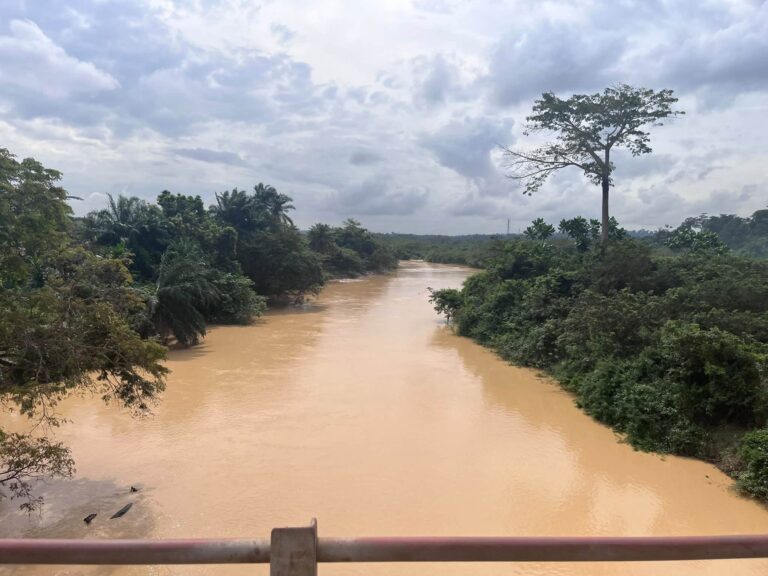
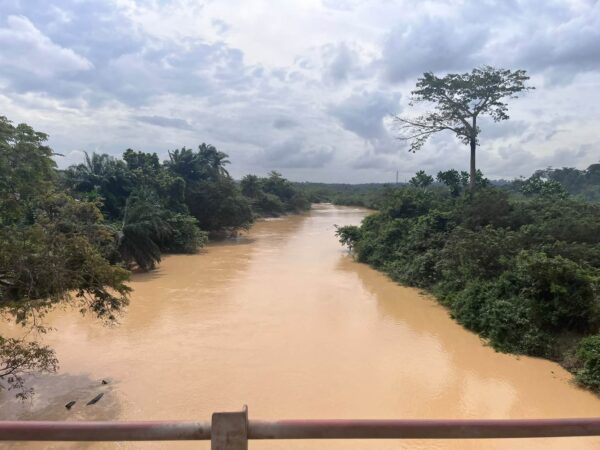
Over 60% of our water bodies in mining-affected areas are now polluted beyond safe limits. The Pra, Ankobra, Offin, Birim, Tano, once lifelines for entire communities, now run brown with sediment, mercury and cyanide. Turbidity levels in parts of the Southwestern Basin have hit nearly 3,000 times the national safety limit.
This is not scarcity. This is failure of leadership, to secure water sources, guarantee quality and access for all.
Every forest galamsey clears is a watershed we lose. Every river galamsey poisons is water Ghanaians must now pay more to drink. Treatment costs are climbing, tariffs are rising, and experts are warning we could be importing water by 2030, in a country with more freshwater than it knows what to do with.
𝙒𝙚 𝙣𝙚𝙚𝙙 𝙩𝙤 𝙘𝙤𝙢𝙢𝙞𝙩 𝙩𝙤 𝙞𝙢𝙥𝙡𝙚𝙢𝙚𝙣𝙩𝙞𝙣𝙜 𝙤𝙪𝙧 𝙡𝙤𝙣𝙜-𝙩𝙚𝙧𝙢 𝙥𝙤𝙡𝙞𝙘𝙞𝙚𝙨 𝙖𝙣𝙙 𝙨𝙩𝙧𝙖𝙩𝙚𝙜𝙞𝙚𝙨 𝙗𝙮 𝙚𝙣𝙨𝙪𝙧𝙞𝙣𝙜 𝙚𝙣𝙛𝙤𝙧𝙘𝙚𝙢𝙚𝙣𝙩 𝙖𝙣𝙙 𝙘𝙤𝙢𝙥𝙡𝙞𝙖𝙣𝙘𝙚.
𝙁𝙤𝙧𝙚𝙨𝙩𝙨, 𝙬𝙝𝙞𝙘𝙝 𝙨𝙚𝙧𝙫𝙚 𝙖𝙨 𝙤𝙪𝙧 𝙝𝙚𝙖𝙙𝙬𝙖𝙩𝙚𝙧𝙨 𝙢𝙪𝙨𝙩 𝙗𝙚 𝙥𝙧𝙤𝙩𝙚𝙘𝙩𝙚𝙙 𝙬𝙞𝙩𝙝𝙤𝙪𝙩 𝙛𝙖𝙞𝙡.
By Daryl Bosu