The Institute of Economic Affairs (IEA) has urged the Government of Ghana not to extend Gold Fields’ mining lease for the Tarkwa Mine, arguing that such a move would be contrary to the country’s long-term national and economic interests. In a press statement dated May 13, 2026, the policy think tank expressed concern over recent …
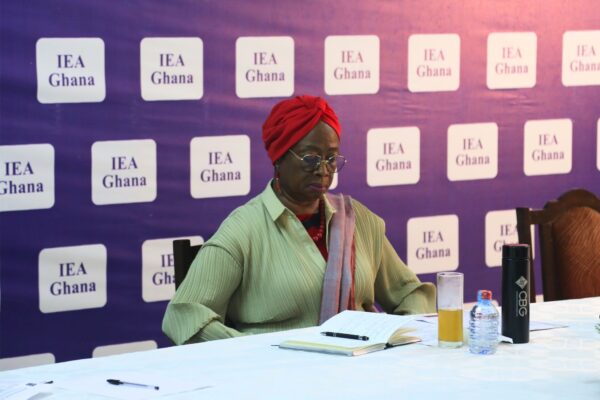
The Institute of Economic Affairs (IEA) has urged the Government of Ghana not to extend Gold Fields’ mining lease for the Tarkwa Mine, arguing that such a move would be contrary to the country’s long-term national and economic interests.
In a press statement dated May 13, 2026, the policy think tank expressed concern over recent remarks by Gold Fields Chief Executive Officer, Mike Fraser, indicating that the company had formally applied for a 20-year extension of its current mining lease, which is due to expire in April 2027.
According to the IEA, Gold Fields is actively engaging government officials and traditional authorities in Tarkwa in pursuit of approval for the proposed extension. The institute described the request as “deeply inimical” to Ghana’s strategic and economic interests and called on President John Dramani Mahama’s administration to reject it.
The IEA instead advocated for a framework that would ensure meaningful Ghanaian ownership and control of the Tarkwa Mine.
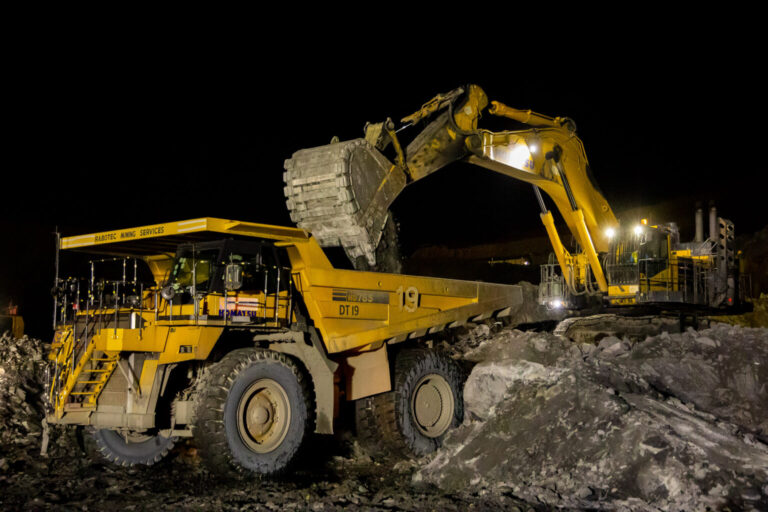
The institute noted that Gold Fields acquired the Tarkwa Mine in 1993 and that the operation has since grown into Africa’s largest open-pit gold mine and the company’s flagship operation.
It further stated that Ghanaian operations account for nearly 25 percent of Gold Fields’ global production portfolio, highlighting the strategic importance of the Tarkwa Mine to the multinational mining company.
The IEA argued that despite more than a century of foreign participation in Ghana’s mining industry, the country has seen limited transformative development from its mineral wealth. It pointed to the persistent underdevelopment of mining communities and what it described as disproportionately low fiscal returns to the state from the extractive sector.
According to the institute, these challenges reflect structural inequities embedded within the existing mining regime, which it said remains rooted in concessionary frameworks dating back to the colonial era.