Ghana’s mineral royalty receipts recorded a significant increase in the first quarter of 2026, with total inflows rising to more than GH₵2 billion, according to new data. The latest data reflects continued resilience in the country’s mining sector, largely driven by strong performance in the large-scale and mid-tier gold mining segments. The Q1 performance also …
Ghana’s mineral royalties rise 40% to over GH₵2bn in Q1
Ghana’s mineral royalty receipts recorded a significant increase in the first quarter of 2026, with total inflows rising to more than GH₵2 billion, according to new data.
The latest data reflects continued resilience in the country’s mining sector, largely driven by strong performance in the large-scale and mid-tier gold mining segments.
The Q1 performance also signals a positive outlook for the year, following the Fund’s historic achievement of crossing GH₵5 billion in royalty receipts in 2025, the first time such a milestone has been recorded in the history of the Fund.
The figures show that total mineral royalties increased from GH₵1.43 billion in the first quarter of 2025 to GH₵2.01 billion in the corresponding period of 2026, representing a 40 per cent increase in revenue mobilisation.
The actual collections also exceeded MIIF’s first quarter 2026 forecast of GH₵1.57 billion by 28 per cent.
Large-scale gold
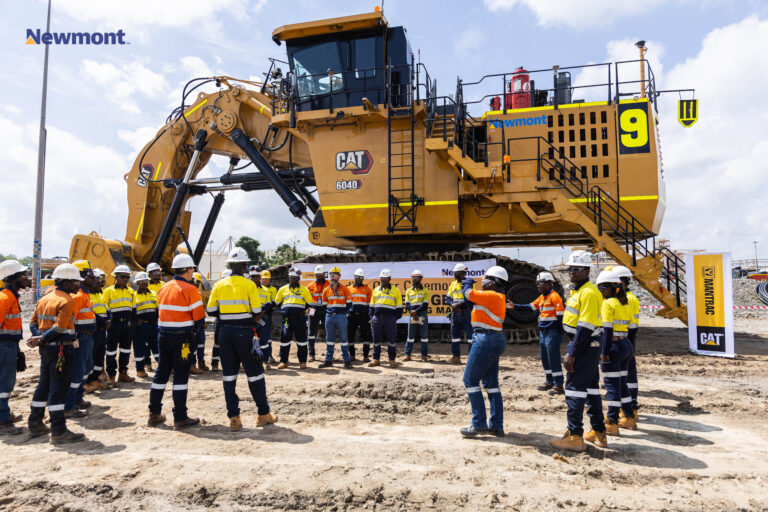
Large-scale gold mining remained the biggest contributor to royalty receipts during the period under review, generating GH₵1.97 billion in the first quarter of 2026, compared to GH₵1.35 billion recorded during the same period in 2025.
This represents a 46 per cent year-on-year increase, exceeding its projected target of GH₵1.49 billion by 33 per cent.
The growth was driven largely by high gold prices and increased production compared to the previous year.
The sharp increase further reinforces the sector’s dominance in Ghana’s extractive industry and indicates sustained investor confidence and stronger royalty performance from major gold-producing companies.
Mid-tier gold
The mid-tier gold mining segment also posted strong growth, with royalties surging from GH₵15.30 million in the first quarter of 2025 to GH₵25.78 million this year, representing a 69 per cent increase. The segment also outperformed its forecast for the period by as much as 53 per cent on the back of high gold prices and most importantly, improved compliance due to royalty monitoring and compliance efforts by the fund.
Quarry (Granite & Limestone)
The quarry subsector equally recorded modest growth, rising from GH₵2.95 million to GH₵3.26 million within the same comparative periods, also largely due to royalty monitoring and compliance efforts by the fund.
Limestone royalties stood at GH₵1.77 million a drop from GH₵1.86 million due to a reduction in production in the sector.
Manganese
While the manganese sector contributed GH₵60.97 million in the first quarter of 2025, it is expected to contribute approximately GH₵31 million for the same period in 2026. The projected royalty shortfall is due to planned stripping activities to expose additional ore bodies, resulting in a temporary decline in production, alongside the appreciation of the Ghana Cedi against the US Dollar.
Other minerals
Sand mining revenues remained largely flat, moving marginally from GH₵361,184 in 2025 to GH₵362,536 in 2026 while salt receipts stood at GH₵330,464.
Outlook
The strong overall performance signals continued momentum in Ghana’s mineral revenue mobilisation efforts and reflects ongoing collaboration between regulators and industry players to improve compliance and optimise royalty collections.
Commenting on the first quarter 2026 royalty performance, the Chief Executive Officer of Minerals Income Investment Fund, Mrs Justina Nelson, expressed optimism that the strong results recorded within the period will position the mining sector for another robust year, particularly if gold production and global commodity prices remain favourable.
She also noted that the revival of the multi-agency committee aimed at strengthening the monitoring and collection of mineral royalties and other mining-related revenues for the state will help boost compliance.
Mrs Nelson explained that discussions at the maiden meeting of the committee focused on restoring coordination among institutions responsible for tracking royalties, production declarations and compliance within the mining sector.
According to her, the renewed collaboration among the agencies is expected to result in a major turnaround in royalty monitoring and collection across the country’s mining industry.
The performance also reinforces MIIF’s broader mandate of maximising value from Ghana’s mineral wealth while ensuring long-term benefits for the country’s economic development and future generations.