Gold Fields’ Tarkwa mine faces significant uncertainty ahead of the expiry of its mining leases in April 2027, with mining expert Dr Kenneth Bansah arguing that the company may have limited legal grounds to compel Ghana to renew them. Below is the full write-up by Dr Kenneth Bansah: 𝗚𝗼𝗹𝗱 𝗙𝗶𝗲𝗹𝗱𝘀 𝗧𝗮𝗿𝗸𝘄𝗮 𝗮𝘁 𝗮 𝗖𝗿𝗼𝘀𝘀𝗿𝗼𝗮𝗱𝘀 ◆ …
Tarkwa Leases: Gold Fields Ghana faces legal uncertainty ahead of 2027 expiry
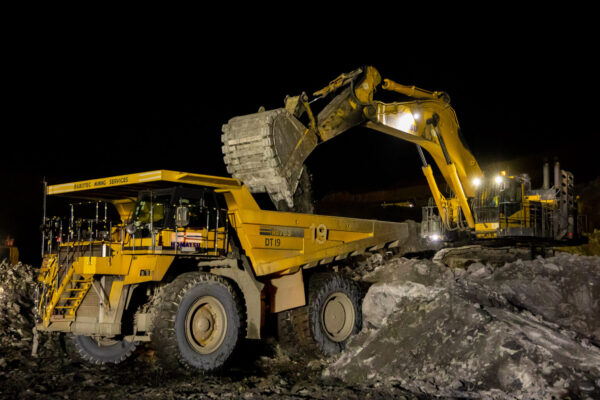
Gold Fields’ Tarkwa mine faces significant uncertainty ahead of the expiry of its mining leases in April 2027, with mining expert Dr Kenneth Bansah arguing that the company may have limited legal grounds to compel Ghana to renew them.
Below is the full write-up by Dr Kenneth Bansah:
𝗚𝗼𝗹𝗱 𝗙𝗶𝗲𝗹𝗱𝘀 𝗧𝗮𝗿𝗸𝘄𝗮 𝗮𝘁 𝗮 𝗖𝗿𝗼𝘀𝘀𝗿𝗼𝗮𝗱𝘀
◆ The Tarkwa leases may not be renewed.
◆ Past investments, reserves, and mine plans cannot extend the leases.
◆ There is inadequate legal basis to challenge non-renewal.
◆ Dialogue may yield something, but that appears unlikely.
I have written several times about the Gold Fields Tarkwa mining leases and what could happen when they expire in April 2027.
Gold Fields’ top management recently indicated that the company is considering all available options regarding the renewal of the leases, including pursuing its legal rights if necessary.
The possibility of legal action is not surprising. I have always known that it was one of the options available to Gold Fields if the lease renewal did not go as expected. Now that the company has publicly stated it, let us look at what a legal challenge could mean.
The existing Development Agreement also expires around the same time. Gold Fields applied to renew the mining leases and subsequently submitted a commercial proposal to the government.
The leases have not been terminated prematurely. Ghana has allowed Gold Fields to operate under the agreed terms. If the government decides to renew the leases, the parties can negotiate the conditions for continued operations. If the government decides not to renew them, the leases will reach their natural expiration.
Gold Fields has the right to challenge a non-renewal if it believes its legal rights have been violated. However, based on the information currently available, I believe Gold Fields is unlikely to win a legal or arbitration challenge against Ghana.
The documentation does not appear favorable to Gold Fields. The company’s own disclosures acknowledge that renewal is not guaranteed and that failure to secure renewal would affect continued mining at Tarkwa. The company has also been reporting the renewal risk to its investors.
Gold Fields has substantial reserves at Tarkwa and has developed mine plans that extend operations beyond the current lease period. It has also invested substantial capital in the mine. These factors have commercial significance, but they do not extend the mining leases.
Mine life and mining lease duration are two different things. A mine plan cannot extend a mining lease. Remaining reserves cannot extend a mining lease. Capital already invested cannot extend a mining lease. Financial projections cannot extend a mining lease.
If Gold Fields challenges a non-renewal, it would have to establish the legal basis upon which Ghana was required to renew the leases. I have not seen any public documentation showing that Ghana guaranteed renewal.
International mining disputes provide some guidance. Investors have succeeded in cases where states made commitments that created legitimate expectations and later failed to honor those commitments.
The Tethyan Copper dispute involving Pakistan is an example. The contractual and regulatory history in that case gave the investor grounds to argue that the state had created an expectation that a mining lease would be granted once the required conditions were satisfied.
The publicly available information on Gold Fields presents a different situation. The company received mining rights for defined periods, and its own disclosures recognize the uncertainty surrounding renewal. Ghana has allowed the company to operate throughout the agreed lease period. I have also not seen evidence of a government commitment guaranteeing renewal.
Gold Fields’ investment decisions, remaining reserves, future mine plans, and expected revenues cannot create a renewal commitment that Ghana did not make. If the leases expire and Ghana decides not to renew them, the economic consequences to Gold Fields would not by themselves establish that Ghana violated the company’s legal rights.
For these reasons, I believe Gold Fields may lose if it takes a non-renewal to arbitration or another legal forum. The actual leases, Development Agreement, and applicable dispute-resolution provisions will determine the legal arguments. From the publicly available information I have reviewed, I do not see a strong basis for compelling Ghana to renew mining leases that have reached their agreed expiration.
Legal action is not the only option available to Gold Fields. The company has submitted a commercial proposal and can continue to make its case for renewal.
Ghana can evaluate the proposal and decide what arrangement serves the national interest. The parties could agree on new terms or a different operating arrangement. Ghana could also decide not to renew the leases.
Ghana has respected the existing leases and allowed them to run their agreed terms. When those leases expire, the country has the right to decide what happens next.
Kenneth Bansah, PhD, PE